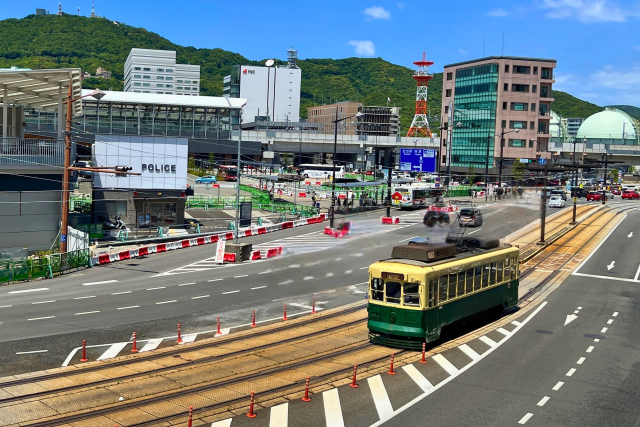
Located on the western edge of Kyushu, Nagasaki Prefecture is a fascinating travel destination where Japanese, Chinese, and Western cultures have blended over centuries, creating an exotic atmosphere unlike anywhere else in Japan. From the historic port city of Nagasaki City, with its stone-paved slopes and elegant Western-style buildings, to the abandoned World Heritage Site of Gunkanjima, and the European-inspired streets of Huis Ten Bosch, visitors can experience history, breathtaking scenery, and entertainment all in one journey.
However, to draw out 120% of Nagasaki‘s charm and make your trip as enjoyable as possible, there are several realistic points you should know before departing. Here are the “3 Truths” you should know before visiting, along with the must-see sightseeing spots and local gourmet dishes you should not miss!
⚠ 3 Things to Know Before You Go (The Honest Truth)
- Be Prepared to Pay the Accommodation Tax: When staying at a hotel or ryokan in Nagasaki City, an accommodation tax of between 100 yen and 500 yen per person per night is charged separately from the room rate. Even if you have prepaid your accommodation online, the tax may still need to be paid directly at the front desk during check-in. Although the amount is relatively small, knowing about it in advance will help you avoid confusion over an unexpected additional payment.
- Nagasaki City Has More Hills Than You May Expect: Surrounded by mountains and a beautiful harbor, Nagasaki City has a distinctive landscape filled with steep slopes and long stairways. Popular sightseeing areas such as Glover Garden and Oura Cathedral also require a fair amount of walking uphill, so comfortable walking shoes are essential. Using the city’s trams and buses wisely, rather than attempting to explore everything on foot, will make your sightseeing experience far more comfortable.
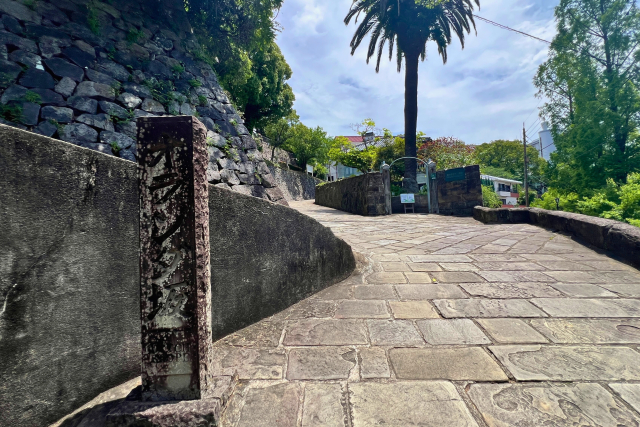
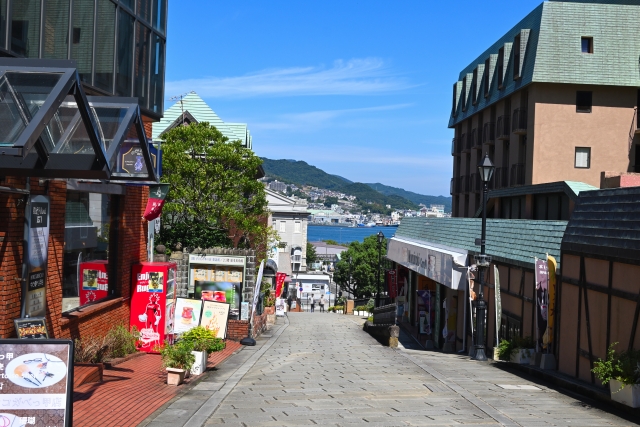
- The Major Attractions Are Spread Across the Prefecture: Famous destinations such as central Nagasaki City, Gunkanjima, Sasebo, and Huis Ten Bosch are located far apart from one another. Traveling from Nagasaki City to Huis Ten Bosch takes considerable time, so attempting to visit everything in a single day can make your trip feel rushed. Gunkanjima tours also usually require advance reservations, and landing on the island may be canceled depending on the weather and sea conditions, even if the boat itself is able to depart. It is highly recommended to explore Nagasaki City and the Sasebo–Huis Ten Bosch area on separate days.
🌴 Must-See Spots
In Nagasaki Prefecture, you will find historical streets shaped by centuries of international exchange, a remarkable World Heritage island that tells the story of Japan’s modernization, and one of the country’s largest European-style theme parks.
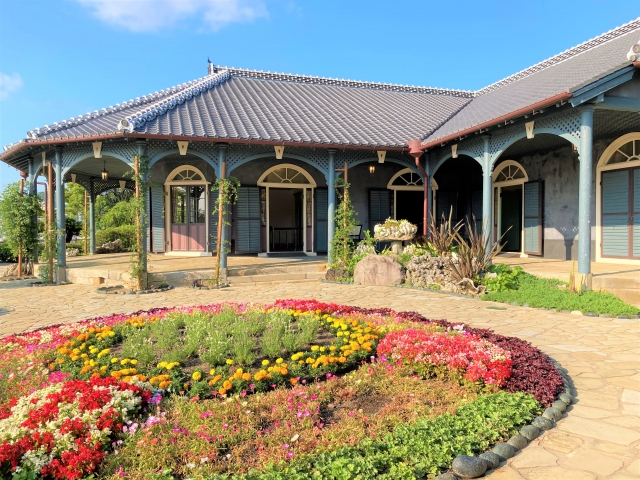
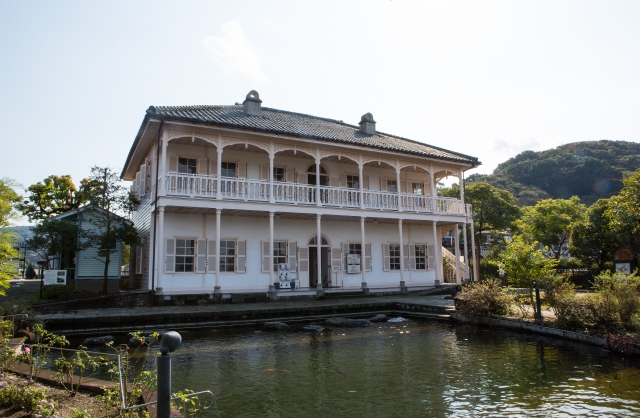
- Glover Garden and Oura Cathedral: This is one of the essential areas to explore when visiting Nagasaki for the first time. Located on a hill in the historic Minamiyamate district overlooking Nagasaki Harbor, Glover Garden contains several Western-style buildings that preserve the atmosphere of the city’s former foreign settlement. Its best-known building is the Former Glover Residence, which has been designated an Important Cultural Property of Japan. Visitors can also enjoy beautiful views of Nagasaki Harbor and Mt. Inasa while walking among stone paths, gardens, and elegant historic homes. Nearby stands Oura Cathedral, widely known as the oldest surviving church building in Japan, allowing visitors to experience Nagasaki’s international history and religious heritage together.
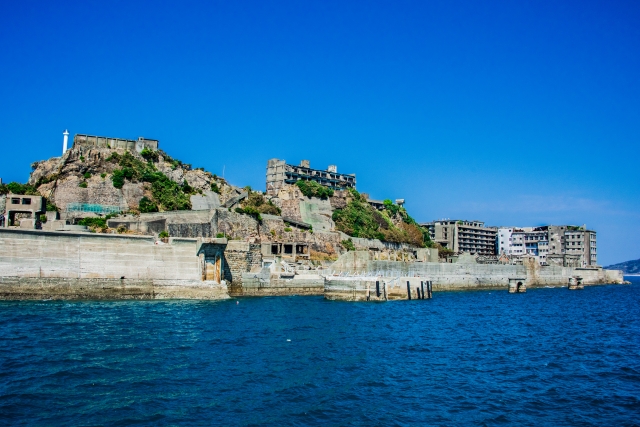
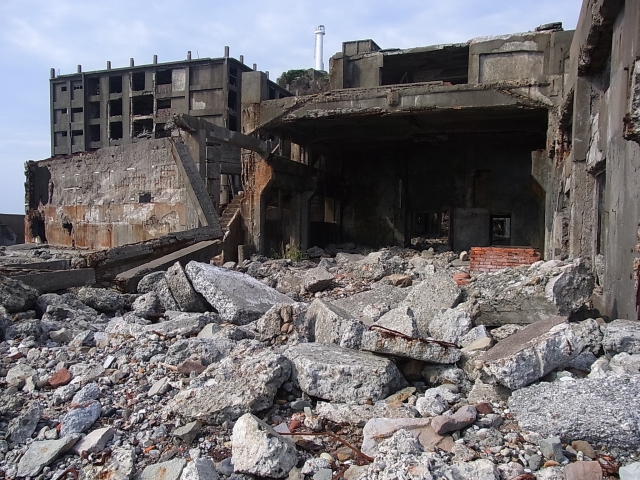
- Hashima Island (Gunkanjima): Located off the coast of Nagasaki Harbor, Hashima Island is commonly known as “Gunkanjima,” or Battleship Island, because its silhouette resembles a warship when viewed from the sea. The island once prospered as an undersea coal-mining community, with high-rise apartment buildings, a school, a hospital, and many other facilities constructed within its extremely limited space. Today, it is uninhabited, and its deteriorating reinforced-concrete buildings create a haunting and unforgettable landscape. As part of a UNESCO World Heritage Site associated with Japan’s industrial development, it can be visited through sightseeing cruises departing from Nagasaki Harbor. However, landing is not guaranteed, as tours must follow strict safety standards based on the weather, wind, and sea conditions.
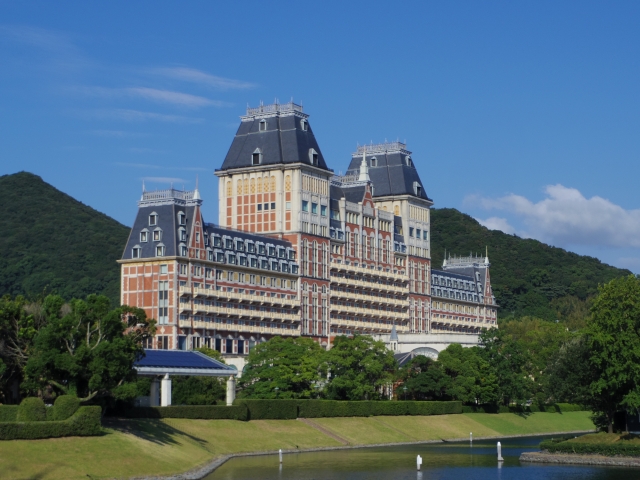
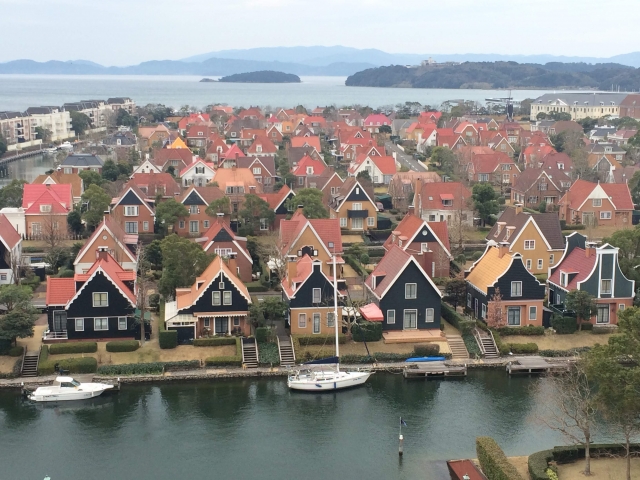
- Huis Ten Bosch: Located in Sasebo City, Huis Ten Bosch is one of Japan’s largest theme parks, recreating the atmosphere of a European town with canals, windmills, beautiful architecture, and spacious flower gardens. Visitors can enjoy seasonal flowers, attractions, live shows, restaurants, and spectacular illumination events throughout the year. The nighttime illuminations are especially popular, transforming the park into a completely different and magical world after sunset. Because the grounds are extremely large, it is better to spend at least half a day or a full day here rather than trying to visit briefly during a sightseeing trip from central Nagasaki City.
🍽 Must-Try Local Gourmet
The food culture of Nagasaki has been strongly influenced by centuries of interaction with China and Europe. Enjoy the distinctive local flavors created through the fusion of Japanese, Chinese, and Western culinary traditions.
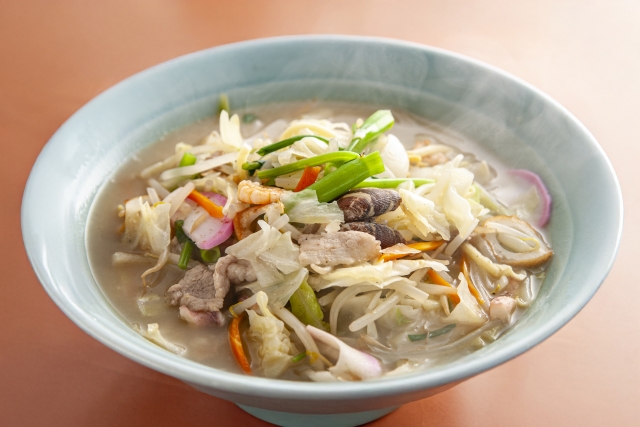
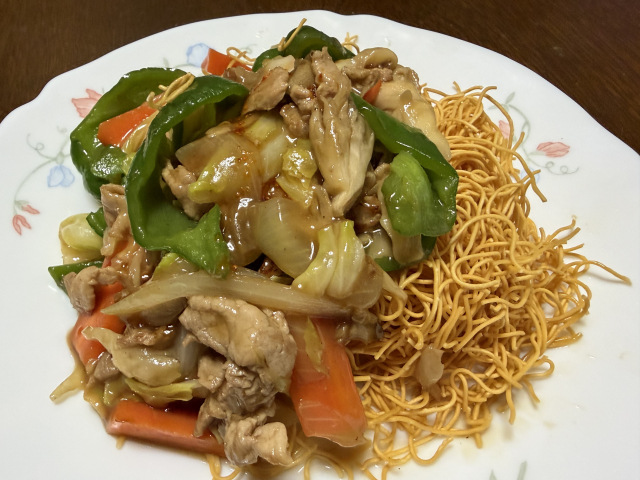
- Nagasaki Champon and Sara Udon: These are the two most famous noodle dishes representing Nagasaki‘s local food culture. Nagasaki Champon is a hearty dish made by cooking noodles in a rich soup together with pork, seafood, fish cakes, cabbage, and various vegetables. Sara Udon, meanwhile, is served either with thin, crispy fried noodles or thicker, softer noodles, topped with a hot sauce filled with vegetables and seafood. In Nagasaki, many local people also enjoy adding Worcestershire sauce to Sara Udon, so be sure to try this distinctive local style.
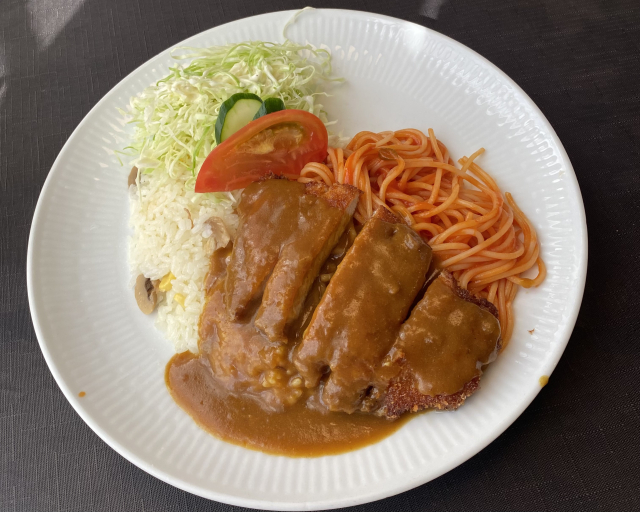
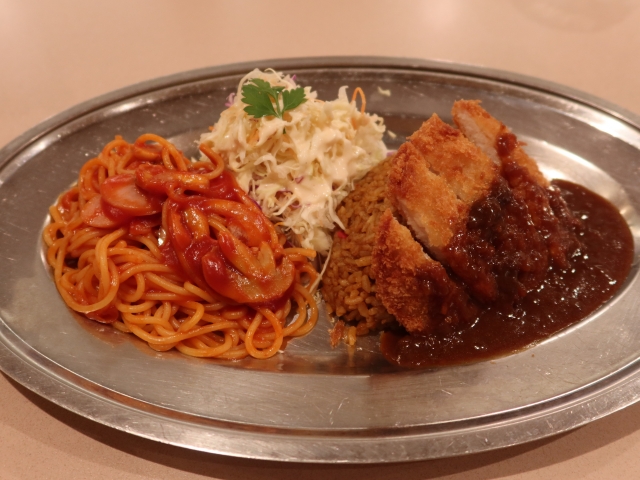
- Turkish Rice: This popular Western-style dish originated in Nagasaki City and typically combines pilaf, spaghetti, and a pork cutlet on a single plate. Depending on the restaurant, it may be served with curry sauce, demi-glace sauce, or other original toppings, while some restaurants replace the pork cutlet with a hamburger steak or seafood. Despite its name, Turkish Rice is not a traditional dish from the Republic of Turkey. It is a unique local meal that developed independently in Nagasaki, and comparing the different versions served around the city is part of the fun.
- Castella and Nagasaki’s Nanban Sweets: Known throughout Japan as one of Nagasaki’s most famous souvenirs, Castella is a soft and moist sponge cake traditionally made with eggs, sugar, and flour. Some varieties feature a layer of crunchy coarse sugar crystals on the bottom, while others are flavored with matcha, chocolate, or other ingredients. Nagasaki is also home to many distinctive traditional sweets shaped by its history of international exchange, including Ikkoko, a hollow baked sweet containing red bean paste, and Kasumaki, which is especially popular on the islands of Tsushima and Iki.
Conclusion
Although there are several realistic points to consider in advance, such as the accommodation tax, the city’s many steep hills, the distance between major sightseeing areas, and the possibility of Gunkanjima landings being canceled, Nagasaki Prefecture is a truly special destination where Japanese, Chinese, and Western history, beautiful harbor scenery, World Heritage Sites, theme-park entertainment, and a unique food culture all come together. Make smart use of trams, trains, buses, and rental cars, and allow enough time to explore both Nagasaki City and the Sasebo area. On your next trip to Japan, be sure to visit Nagasaki and discover the unforgettable scenery, flavors, and international atmosphere that can only be experienced here!
コメント